

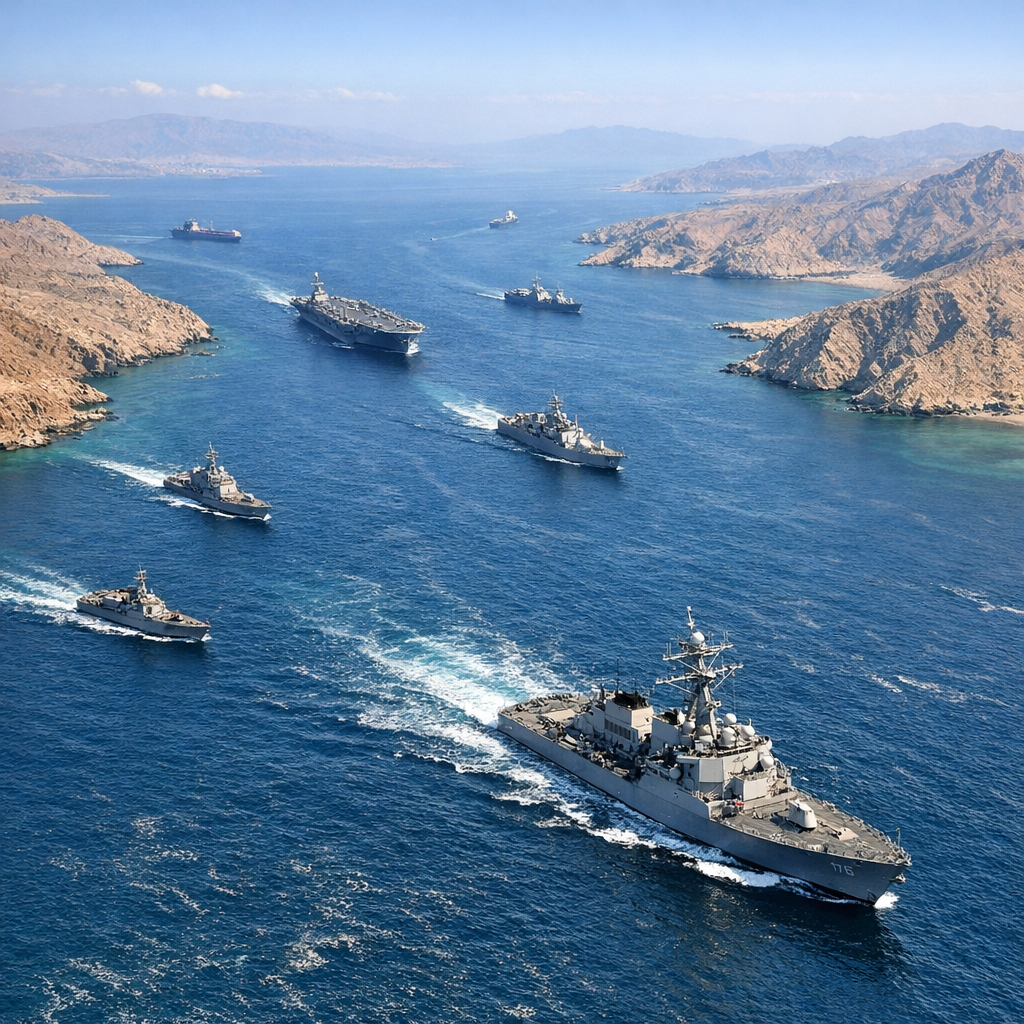
The Strait of Hormuz, a vital waterway for global oil transportation, has recently become a focal point of escalating tensions between the United States and Iran. This development has significant implications not only for international relations but also for global economic stability.
Background of the Conflict
Reports indicate that Washington and Tehran were nearing an agreement to end their longstanding hostilities. However, recent military clashes over the Strait of Hormuz have disrupted these negotiations, casting a shadow over peace prospects in the region. Analysts suggest that the current escalation is driven by the United States’ strategy to contain Iran and force compromises on its positions. These incidents highlight the deep mistrust between the two nations, making a genuine return to peace increasingly challenging.
Implications for Global Stability
The Strait of Hormuz is a critical chokepoint through which a significant portion of the world’s oil supply passes. Any disruption in this region can lead to volatility in global oil prices, affecting economies worldwide. The recent standoff has already caused European shares to tumble, as investors grow concerned about potential economic slowdowns resulting from the conflict.
Local Perspective
While Estes Park may seem distant from the geopolitical tensions in the Middle East, the interconnectedness of the global economy means that such conflicts can have ripple effects even in our community. Fluctuations in oil prices can impact transportation costs, heating expenses, and the overall cost of goods and services. It’s essential for residents to stay informed about international developments, as they can indirectly influence our daily lives.
As the situation unfolds, it’s crucial to monitor credible news sources and understand the broader implications of international events. By staying informed, we can better prepare for any potential economic impacts and contribute to informed discussions within our community.