

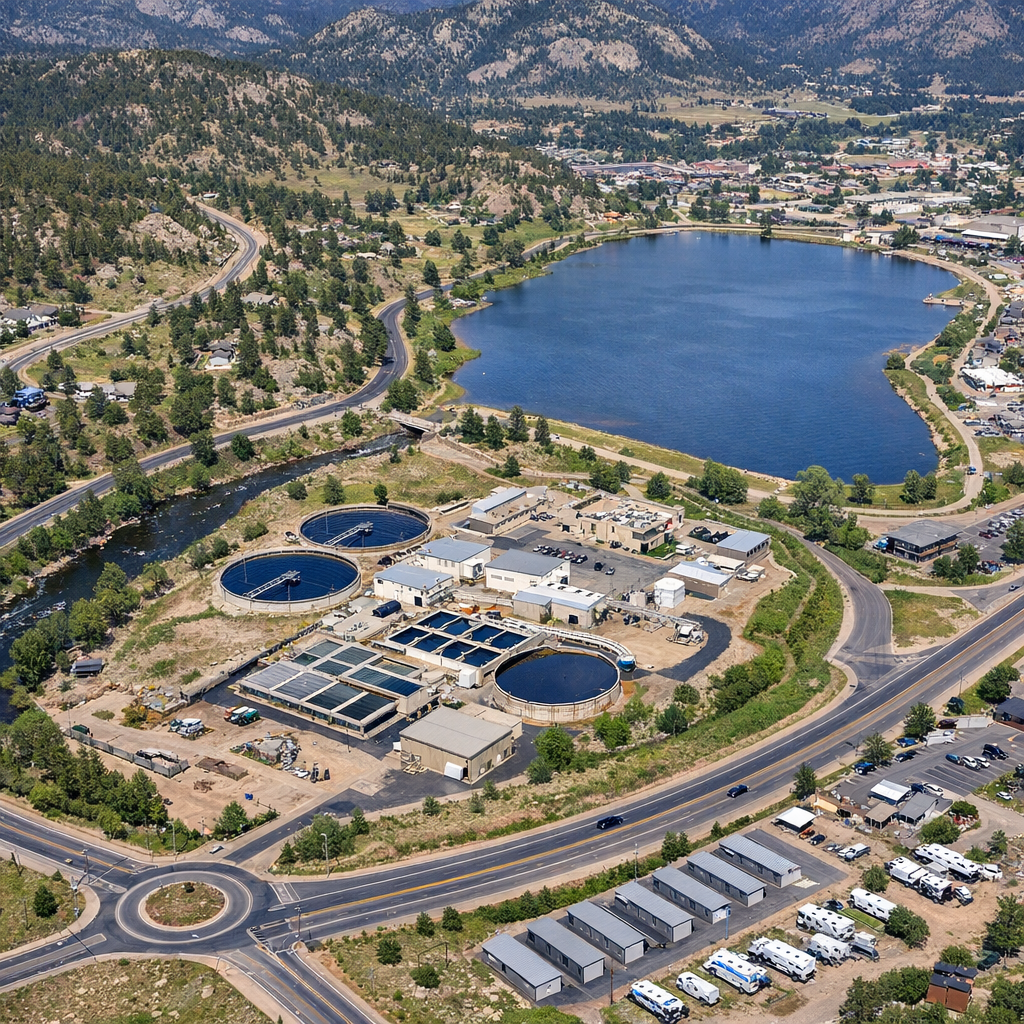
Estes Park’s drinking water system has consistently met federal and state health standards, ensuring safe water for residents and visitors alike. However, maintaining this level of service over the next two decades will necessitate significant investment in infrastructure upgrades.
Current System Overview
The town’s water system serves approximately 5,733 metered customers and includes two treatment plants, nine storage tanks, multiple pump stations, and over 100 miles of distribution pipelines. While the system performs well today, much of the infrastructure is approaching the end of its intended service life.
Identified Challenges
Key vulnerabilities include aging pipelines, limited treatment redundancy, seasonal raw water constraints, and challenges posed by new regulations and natural disasters. Addressing these issues proactively is more cost-effective and less disruptive than responding to emergencies.
Proposed Solutions
To enhance reliability, engineers recommend constructing a new year-round water treatment plant with built-in redundancy. This facility would meet peak demand even if portions of the treatment process are temporarily out of service. Additionally, establishing a long-term pipe replacement program and increasing system looping would improve overall system resilience.
Community Impact
For most residents, these improvements will unfold gradually over the next two decades, with no immediate changes to water service. Town officials will determine project timelines, financing methods, and potential water rate adjustments. The goal is to ensure safe and reliable drinking water for future generations.