

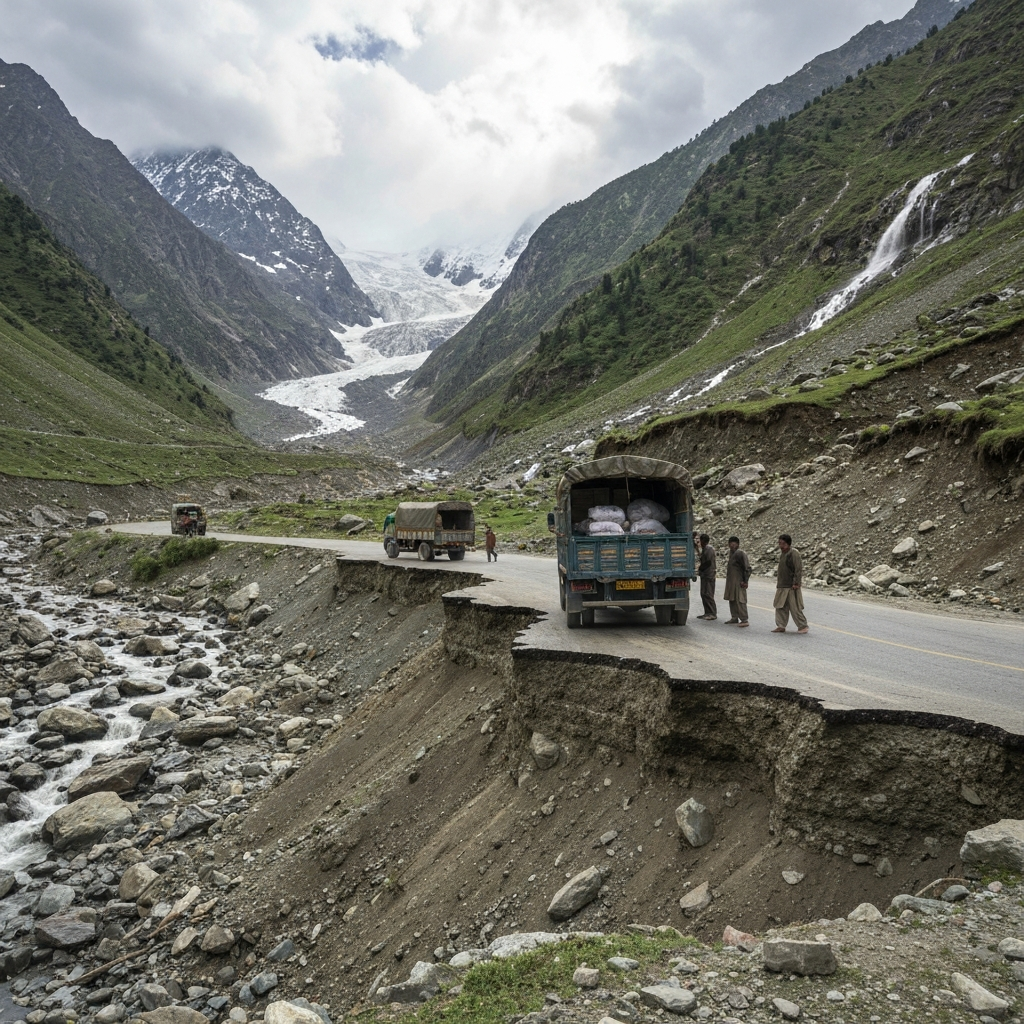
Mountain regions are experiencing the effects of climate change more acutely than many other areas. These changes have significant implications for both the ecosystems within these regions and the communities that rely on them.
Accelerated Warming in Mountain Areas
Studies indicate that mountain regions are warming at a faster rate compared to other parts of the world. This rapid warming leads to the transformation of snowfall into rainfall, the retreat of glaciers, and the destabilization of water supplies that over a billion people depend on. Such changes can result in immediate risks like flooding and, over time, lead to water shortages.
Impacts on Water Resources
Mountains serve as critical sources of freshwater for downstream communities. The melting of glaciers and alterations in snowmelt patterns due to rising temperatures affect water availability. This is particularly concerning as the demand for water for agriculture, industry, and domestic use continues to rise.
Effects on Biodiversity
Climate change disrupts mountain ecosystems, leading to shifts in species distributions. As temperatures rise, species adapted to cooler conditions are forced to move to higher elevations. This phenomenon, sometimes referred to as the “escalator to extinction,” occurs when species reach the summit with no higher ground to inhabit, resulting in population declines.
Increased Natural Hazards
Warming temperatures contribute to the destabilization of mountain landscapes, increasing the frequency and severity of natural hazards such as avalanches, landslides, and floods. These events pose significant risks to both mountain communities and those living downstream.
Adaptation and Resilience
Addressing the challenges posed by climate change in mountain regions requires a multifaceted approach. Strategies include investing in sustainable agriculture, promoting eco-tourism, and supporting local communities in developing climate-resilient practices. International cooperation and policy development are also crucial in mitigating the impacts and ensuring the sustainability of mountain ecosystems.
Understanding and addressing the impacts of global climate change on mountain regions is essential, not only for the preservation of these unique ecosystems but also for the well-being of the communities that depend on them.