

By Logan Reyes
Living Between the Trails and the Tightrope
I moved to Estes Park intent on tasting the mountain air every morning, living where wildflowers outnumber cars, and sleeping under more stars than streetlights. For all that, I didn’t expect how deeply rooted the contradictions of this place would become part of home.
On any given summer morning, the valley feels electric: tourists climbing through town, business signs lifting hopes, voices speaking many languages. Locals greet strangers by the river, share trail info, or complain together about road congestion. But by October, when leaf-season wanes, Estes shifts. Visitors thin, and the roar softens. It’s easier to hear your own heartbeat — literally, when quiet replaces the hum of traffic.
Where Community Pride Meets Real Hardships
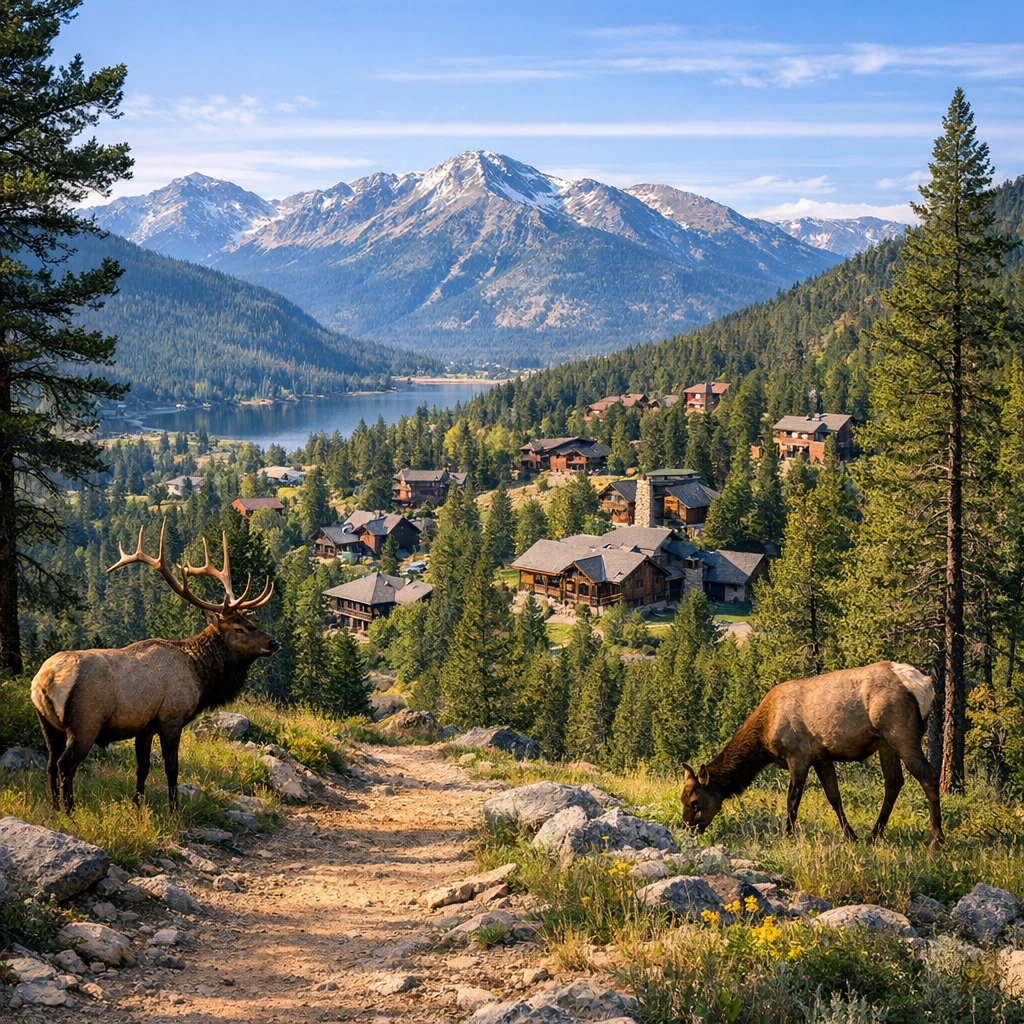
People often talk about the views — Longs Peak outlined against sky, elk strolling downtown, skies so clear at night you believe in the Milky Way again. These natural gifts are real, profound. They’re part of why so many of us stay when prices rise and winters bite.
But the cost of staying is not small. Housing affordability is creeping into everything: friends moving further out to find a home, rentals dominated by seasonal or empty-home owners, local wages stretched thin. Infrastructure is being pushed: clean water is still assured by state standards, thanks to town planning, but recent reports remind us that keeping it that way will require over $100 million in upgrades. Maintenance isn’t glamorous, but it’s the backbone of every safe house, every healthy child.
Belonging Isn’t Automatic
One of the hardest truths is that belonging doesn’t arrive once you move here. It’s built — often slowly, sometimes painfully. Families, long-time locals, newer arrivals, shift workers, artists, business owners — we’re a patchwork of different lives and values. I’ve seen people reach out, asking trustees questions, demanding transparency in land use, risking unpopularity for the good of their neighbors. Visitors see a town for vacation; residents ask what it is for our lives.
Too often, voices feel unheard — not because people don’t speak, but because the mechanisms of decision-making, zoning, voting, public meetings feel like they favor those with time, power, or out-of-town ownership. The passion is real, but so is the fatigue that comes when promises of listening grow old without follow-through.
Looking Forward: What Estes Deserves
Este Park is more than a picture postcard. It’s a life. Here are some steps I believe could help us keep what we love while keeping room for everyone:
- More mixed-income housing: Not dense towers, but thoughtful places near town that recognize working people need to live where we walk, shop, and breathe.
- Transparent civic processes: Public notice, clear explanations of how decisions get made, and feedback loops that don’t vanish after votes are cast.
- Balanced tourism: It’s our economic lifeblood, but it also strains roads, water systems, wildlife. Better visitor-education, sustainable infrastructure, respecting the rhythms of the seasons.
- Fostering inclusion: Engaging underrepresented groups — youth, immigrants, newer arrivals — in a way that values their perspective and gives them agency.
Because Estes Park is not someone else’s idea of mountain town. It is ours: the people who rise before sunrise to beat tourists to the trailhead, those who shovel snow at 3 a.m., who teach, who heal, who build, who stay. It deserves our voice — roar it, whisper it, insist on it.